A Policy Problem Is a Frame, Not a Fact
See how defining a policy problem changes the causes and responses in view, using a hypothetical bus-service case to examine boundaries and evidence.
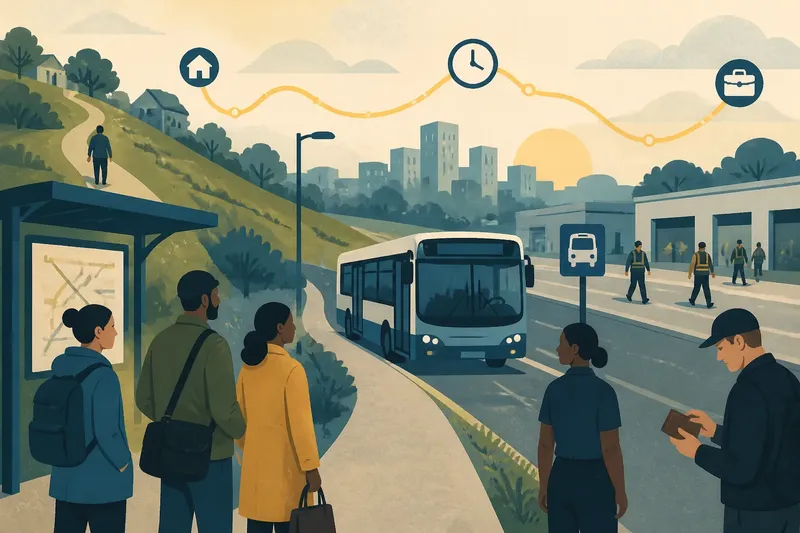
A policy problem is a frame, not a fact: the wording chosen for a public concern decides which causes become visible and which responses sound plausible. Imagine a council hearing that residents in a growing district often arrive late to work because buses are unreliable. Call it “poor punctuality” and the discussion may centre on bus operations; call it “unequal access to employment” and the routes, fares and distribution of services come into view too.
What does the first frame leave out?
In this invented situation, the council receives complaints about late buses and missed shifts. Its transport team starts with the phrase “unreliable bus service”. That is a reasonable description of an observed problem, but it also sets a boundary: buses and their schedules are the main objects of attention.
The team might look at missed connections, traffic delays, timetable design and the availability of spare vehicles. Those questions could matter. Yet residents’ accounts also point to a stop that is hard to reach from the edge of the district, a route that ends before some evening shifts finish, and a fare that is difficult for occasional workers to budget for. The initial frame does not deny these conditions; it simply makes them less likely to lead the discussion.
A frame works like the rim of a window: it helps you focus, while leaving some of the view outside. The practical question is not whether to frame a problem—public decisions need boundaries—but whether the boundary is clear enough to examine and broad enough to include relevant causes.
How could the council redraw the problem?
Suppose the team reviews its wording with residents, bus operators, employers and staff who plan routes. Instead of treating late buses as the whole problem, it describes the concern as “barriers to reaching work reliably by public transport”. This wording still identifies a specific issue, but it invites questions about more than punctuality.
The revised frame changes what evidence seems useful. The council might compare route maps with the locations of workplaces and housing, examine service times against shift patterns, and ask passengers where journeys break down. It could distinguish a bus that arrives late from a journey that is unreliable because it requires a connection with little time to spare.
That does not mean every factor belongs inside the policy question. Employers’ shift practices, housing patterns and transport services may be connected, but the council has different authority over each. A useful frame names the wider conditions that shape the problem, then makes clear which decisions the council can actually take and which require coordination or further discussion.
Who gets to describe the problem?
The wording can also distribute credibility. If the council relies only on its service dashboard, it may hear from the system as an operator records it. If it speaks only to people who attend formal meetings, it may miss residents whose working hours make attendance difficult.
In the hypothetical case, the team invites written accounts through libraries and community organisations, and holds a session at a time that suits shift workers. It asks people to describe a journey that failed, what happened next, and what would have made the trip workable. These accounts do not establish how often each cause occurs, but they can reveal mechanisms that administrative categories overlook.
Residents may disagree. One person may prioritise later buses, while another wants a safer walking route to the stop. That disagreement is useful information about different needs, not a reason to force every account into a single explanation. The council can record whose experiences informed the framing and which groups remain harder to hear.
What should the problem statement include?
A problem statement is more useful when it separates the observed condition from the explanation and the proposed remedy. “Buses are late, so buy more vehicles” joins all three together: a symptom, a cause and a preferred response. That makes it harder to ask whether the cause is right or whether another approach fits better.
For the imagined district, the council could state that residents face difficulty reaching work reliably by public transport, identify missed connections and limited service times as possible contributing factors, and note that the available evidence does not yet establish their relative importance. The statement can then set a practical boundary: the discussion concerns access by public transport, while wider employment and housing conditions remain relevant context.
That wording does not settle the issue. It makes the council’s assumptions easier to see and gives later decisions a fairer starting point. It also helps readers recognise when a proposed response addresses only one part of the stated concern.
Which questions help test the frame?
How is a policy problem different from a symptom?
A symptom is an observable sign, such as a missed connection or late arrival. A policy problem explains why that condition matters and identifies the people and circumstances affected, without assuming its cause in advance.
Can one problem have several causes?
Yes. A journey may fail because of traffic, service times, route design or the demands of a shift pattern, and several factors may combine. A sound frame leaves room to investigate those possibilities rather than treating the first explanation as settled.
How broad should a policy problem be?
Broad enough to include causes that could change the decision, but focused enough that the responsible institution can consider meaningful action. If the frame reaches beyond its authority, it should say so and identify where cooperation or a separate decision is needed.
When should a problem statement be revised?
Revise it when new accounts or information reveal that the original boundary excluded a relevant group, cause or consequence. A revision should explain what changed and why, so that a shift in focus is visible rather than quietly built into the next proposal.
What changes by the end of the case?
In this invented case, the council begins with a narrow concern about bus punctuality and ends with a clearer question about reliable access to work by public transport. The result is not a verdict about which cause matters most. It is a more open basis for deciding what to examine and which responses fall within the council’s remit.
When you encounter a policy proposal, read its problem statement before weighing its solution. Ask who and what it includes, which explanation it treats as established, and what remains outside the frame. Those questions can expose the real choice in a debate: not only what to do, but what the institution has decided the problem is.